

Toxic Sex Toys?
your vibrator is less regulated than a teddy bear
Sex toys have almost no chemical safety oversight, even though they come into contact with some of the body’s most absorbent tissue. A CPSC sample found that plastic sex toys contain phthalates at an average of 39%, with some reaching 77% by weight. In contrast, children’s toys are limited to just 0.1%. More than half of American adults have used a sex toy. The intimate wellness industry is worth an estimated $35-46 billion worldwide, but its products exist in a regulatory gap that puts company profits ahead of people’s health.
the chemical cocktail inside your nightstand drawer
The main problem is phthalates, a group of plasticisers that make PVC and jelly rubber soft and flexible. In sex toys, phthalates like DEHP, DBP, and BBP can make up as much as 70% of the product’s weight. These are not just small traces, they are a major part of the product. Phthalates are known endocrine disruptors. They interfere with estrogen and testosterone, harm ovarian function, and have been linked to lower fertility, pregnancy problems, and cancer. The FDA calls them “probable human carcinogens.” The EU’s chemicals agency restricted DEHP and three other phthalates in consumer products, estimating this would “save 2,000 boys each year from impaired fertility later in life.”
Phthalates are only part of the problem. A 2006 Danish EPA study, the most thorough government review of sex toy chemicals so far, tested 16 products and found dangerous substances like trimethyltin chloride (which can cause permanent brain damage in fetuses), phenol, toluene, carbon disulphide, and cadmium at levels above European safety limits. Only 7 out of 16 products were safe even in worst-case scenarios. A German chemist found phthalate levels as high as 243,000 ppm in European sex toys and said he had “never seen such high results” in more than ten years of testing consumer products.
The real danger comes from how these chemicals enter the body. Vaginal and rectal tissues do not have the skin’s tough outer layer. They are full of blood vessels and very absorbent, which is why medicines given this way work so well. Chemicals absorbed here skip the liver’s first round of detoxification and go straight into the bloodstream. Heat and friction during use make chemicals leach out faster. Oil-based lubricants can increase DEHP absorption by 100 times compared to water-based ones. You are not just coming into contact with these chemicals—your body is absorbing them.
a “novelty” classification that endangers millions
This problem continues because of a strange regulatory loophole. In the US, the FDA only oversees sex toys that are marketed for medical use, which usually means they need a prescription for sexual dysfunction. Manufacturers get around this by labeling products as “for novelty use only,” which legally turns them into gag gifts. The Sipe et al. study at Duke University found one product labeled “novelty gag gift not intended for safe use” on one side of the box and “body safe” on the other. The CPSC, which could regulate these products as consumer goods, has not created any safety standards for sex toys.
Congress banned eight phthalates in children’s toys because kids might put them in their mouths. But there are no similar federal rules for adult intimate products, even though vaginal and rectal tissues absorb chemicals much more easily than the mouth. Legal scholar Emily Stabile points out: “For a product that roughly half the population will use during their lives that can cause serious injury or even death if used incorrectly, this situation presents a dangerous deficiency.” A 2025 Columbia Law Review article argued that sex toys fit the FDA’s definition of medical devices products that “alter the structure or function of the body”and that the agency’s inaction is a policy choice, not a legal requirement.
The EU does more to regulate sex toys, but it is not perfect. Since 2020, the REACH regulation has limited DEHP, DBP, BBP, and DIBP to 0.1% in all consumer products, including sex toys. The new General Product Safety Regulation, effective since December 2024, requires manufacturers to assess risks and keep track of all consumer products. Still, the European Commission has said it does not plan to make laws just for sex toys. Enforcement is uneven: a 2024 Swedish Chemicals Agency report found that 62% of sex toys bought online did not meet EU safety standards, showing that even strict rules may not be well enforced.
the industry profits from your ignorance
The phrase “body-safe” is not defined by any regulation. It is just a marketing term, with no enforcement or verification. There is no official certification for sex toy safety. For example, Doc Johnson, one of the biggest American manufacturers, makes 75,000 products each week. When they labeled their James Deen dildo as “non-phthalate” and “body-safe,” independent tests by Dildology found it actually contained 61% phthalates. The company controlled all A 2023 Duke University study found the same problem. Researchers tested four sex toys sold in stores and found all of them had phthalate levels above the CPSC limits for children’s products. One was even falsely advertised as “phthalate-free.” The problem is worse on Amazon Marketplace, where many counterfeits of brands like LELO, njoy, Fun Factory, and We-Vibe are sold. These are made from unknown materials and cost much less. aISO 3533 is the first global safety standard for sex toys, but it is optional. Manufacturers can choose whether to follow it, and most do not.still rare in the industry.
how to protect yourself when regulators won’t
The safest materials are non-porous and chemically stable, such as 100% platinum-cured medical-grade silicone, borosilicate glass, surgical-grade stainless steel, and sealed hardwood. These do not release chemicals and can be fully sterilized. Avoid anything labeled jelly, PVC, “cyberskin,” “realistic feel,” rubber, or “silicone blend.” That last term usually means the silicone is mixed with cheaper, possibly harmful materials.
Watch out for warning signs like a strong chemical smell (which means phthalates are being released), unclear material descriptions, the phrase “for novelty use only,” and prices that seem unusually low. Trusted retailers such as Smitten Kitten, which started the Coalition Against Toxic Toys and does not sell PVC products, and Good Vibrations have led the way in offering body-safe products. Brands like Tantus, Vixen Creations, Fun Factory, and Dame Products are known for being open about their materials.
the politics of what touches your body
We have stricter rules for chemicals in baby bottles, dog toys, and shower curtains than for products used inside the human body. This is not just a mistake. It reflects a decision about whose health and autonomy matter. The $46 billion intimate wellness industry has grown in this gap, making money from the stigma that keeps people from asking questions and keeps regulators at bay. Body autonomy means little if the products meant to empower you are actually harming you.
Sex Toys I Use
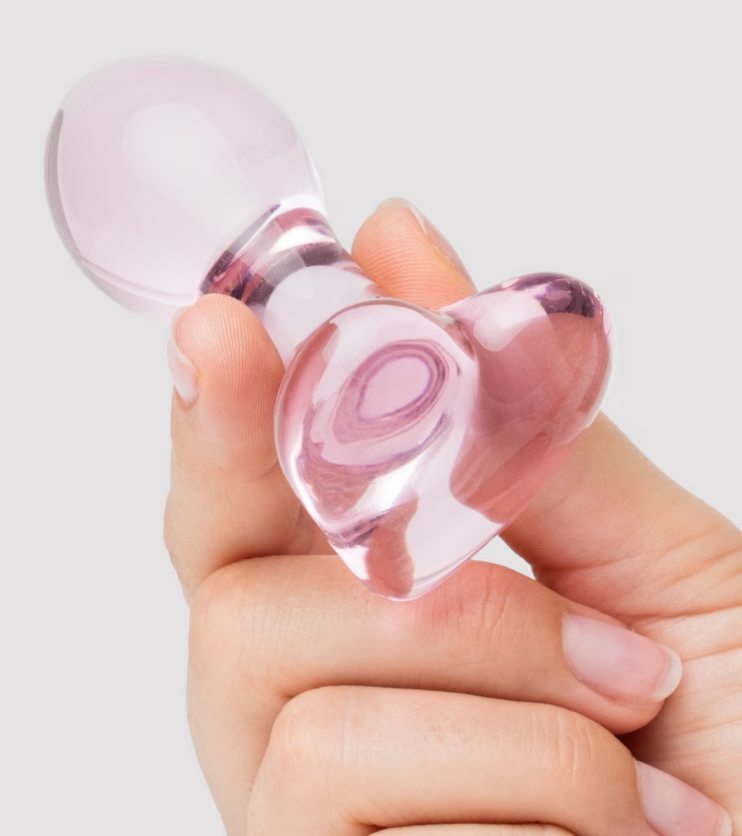
A slim glass plug with a sweet heart base delicate, body-safe, and made to please. 4" circumference, 3" insertable.

Two glass dildos, four ways to play, smooth, non-porous borosilicate with rippled and S-curved styles.
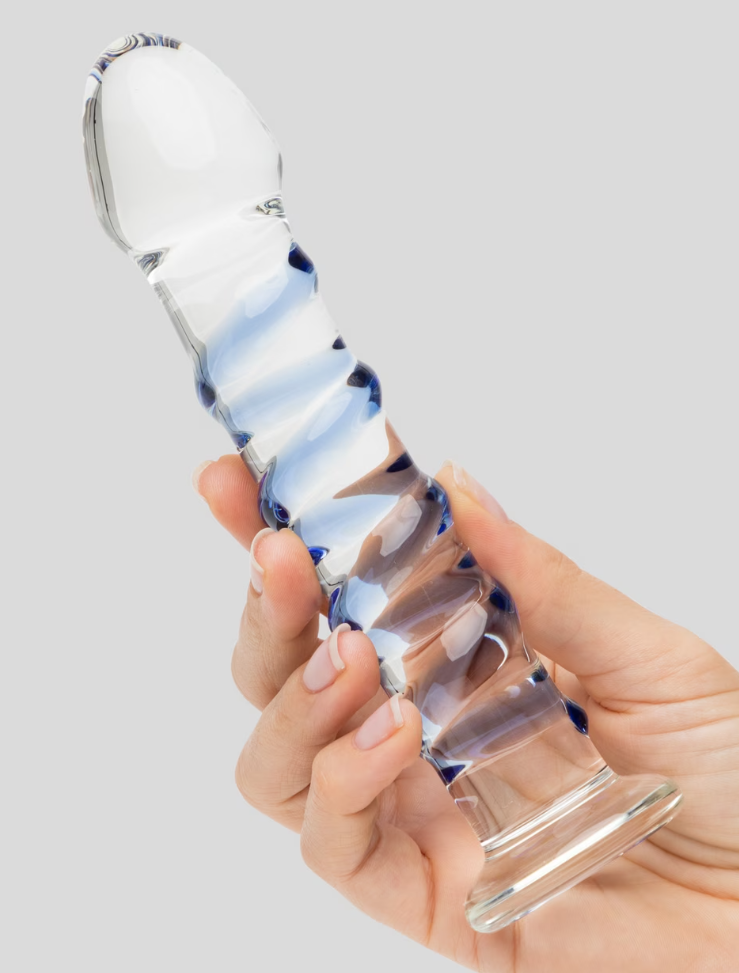
Swirled, bulbed, and built for bliss. This glass wand delivers 7" of shaft with 4" girth for a little temperature play.

Two rounded ends, one gorgeous curve. This offers 8.5" length and 4.5" girth made to hit every right spot.